Manufacturing Sector

Overview of the Sector

The manufacturing industry involves the physical or chemical transformation of materials, compounds, or components into new products and their distribution, while ensuring compliance with quality standards. The materials, compounds, or components that are transformed are raw materials from agricultural, forestry, fishery, mineral, or fossil sources, or products of other manufacturing activities.

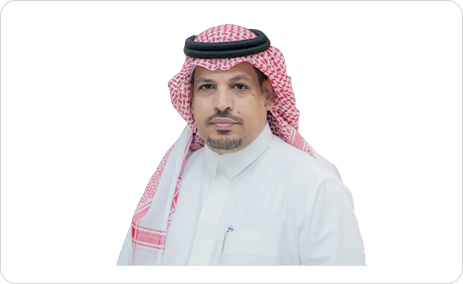
Mr. Salem Al-Sharama

Assistant Undersecretary for Human Capacity Development at the Ministry of Industry and Mineral Resources
“Our vision is to establish an integrated and effective workforce system that enables the Kingdom of Saudi Arabia to achieve global leadership in the industrial and mining sectors by providing an attractive and equitable work environment, clear career paths, and continuous development and training programs that keep pace with the latest technological advancements. We strive to achieve a set of strategic objectives, most notably the design and implementation of comprehensive training programs with tangible impact, and the development of qualified national talent equipped with the skills and readiness to meet future demands, with a focus on innovation and sustainability. We also believe that the creation of specialized databases

Members

A. Ayman Al-Fahd
Assistant to the CEO for Human Capital
Dr. Fahad Al-Dahish
Chief Executive Officer
M. Radi Al-Shammari
Manufacturing Expert
A. Saleh Al-Anzi
General Manager of Talent Management
Mr. Khalid Al-Bassais
Representative of the Public Investment Fund
Mr. Muhammad Al-Asmari
Head of Human Resources
Mr. Muhammad Al-Fawazi
Chief Human Resources Officer
A. Fahd Al Saad
General Manager of Talent and Organizational Development
A. Farhan Al-Anzi
Executive Director of Human Resources
A. Ghassan Nasser
Chief Human Resources Officer
A. Nasser Al-Nuwaiser
Director General of the Talent and Education Department
A. Emad Turkistani
Chief Human Resources Officer
A. Bandar Al-Ajmi
Representative of the Council of Saudi Chambers—Manufacturing Industry
Mr Turki Bitar
Representative of the National Committee of Workers' Committees—Manufacturing Industry
Mr. Saeed Al-Zahrani
Senior Executive Director, Recruitment and Organizational Development
MR. Fahd Al-Askari
Director of Human Resources and Administrative Affairs
MR. Adel Al-Aouni
General Manager of Partnership Development
Mr. Abdulrahman Al-Hazani
Representative of the General Organization for Technical and Vocational Training

Sectoral Skills Framework

 A sectoral skills framework serves as a comprehensive tool for identifying the skills needed in a sector; it specifies the skills required for each job family within the sector’s value chains. The sectoral skills framework follows a systematic approach to identifying the skills required in the sector: first, job groups were identified within the subsectors, followed by the identification of key job roles, career paths, and priority skills. 
Develop an overview of the sector and its subsectors, the major trends in the sector, and the skills required in line with those trends, in addition to identifying job categories and career paths in the manufacturing sector.
Provide details on the technical and general skills associated with the main job categories in the Kingdom’s manufacturing sector.
The Excel tool serves as a supplementary publication to the Manufacturing Sector Skills Dictionary report and an introduction to the Manufacturing Sector Skills Framework. The tool focuses on two main types of skills: general skills and technical skills.

Professional Standards Framework

National documents outlining standards for the description of occupations and their associated jobs, including the knowledge, skills, requirements, and competencies necessary to perform job roles and tasks. This includes the application and use of these standards in various contexts depending on the users, such as human resources professionals, training centers, and others interested in human capacity building.

Partnerships

Strategic partnerships for sectoral skills councils are a fundamental pillar for helping to meet the evolving needs of the labor market, Integration between the public and private sectors and training and educational institutions is one of the cornerstones of the sectoral skills councils’ work; it helps bridge the skills gap between supply and demand, improves the quality of educational and training outcomes, and enhances the efficiency of human capital as the primary driver of national development.
National Institute for Industrial Training
 International Association for Industrial Security

Training Programs

Programs that have been aligned with the skills framework to ensure that learning and training outcomes are consistent with the technical and general skills identified by the sectoral skills councils and included in the sectoral skills frameworks.