Construction and Real Estate Sector

Overview of the Sector

The construction and real estate sector encompasses planning, design, management, construction, restoration, renovation, maintenance, and infrastructure. This includes land reclamation, real estate acquisition and leasing, as well as related financing, operation, and maintenance activities, including residential, commercial, industrial, and agricultural properties.

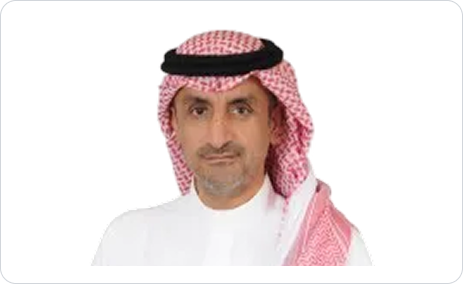
A. Turki Al-Dabikhi

Deputy Minister for Human Capacity Development in the Municipal and Housing Sector at the Ministry of Municipalities and Housing
“The launch of the sectoral skills framework for the construction and real estate sector will enable the sector to identify the skills needed to advance the construction and real estate sectors and balance supply and demand between educational institutions and operating companies.”

Members

A. Turki Al-Dubaihi
Deputy Minister for Human Capacity Development in the Municipal and Housing Sectors
A. Abdulmajeed Al-Rashoudi
Secretary General of the Saudi Contractors Authority
A. Abdullah Al-Mahan
As an expert in the construction and real estate sectors
A. Khulud Al-Ghatti
Representative of the Public Investment Fund for Construction and Real Estate Affairs
Ms. Nasreen Al-Dosari
Chief Human Resources Officer at Roshen Group
A. Saeed Al-Zahrani
Senior Executive Director, Recruitment and Organizational Development
Khalid Al-Mubarak
General Manager of Human Capital
Mr. Muhammad Al-Abbad
General Manager of Human Resources at the Zamil Group
Dr. Turki bin Nader
Vice President for Human Capital and Shared Services
Mr. Khalid Al-Kanhil
Advisor to the CEO
A. Abdullah Kamal
Human Resources Manager
Dana Al-Afaleq
Head of Sustainability and Strategic Partnerships
A. Abdul-Qadir al-Abdul-Qadir
Executive Director of the Saudi Real Estate Institute
A. Mansour Al-Ashhab
Representative of the Council of Saudi Chambers for Construction and Real Estate Affairs
A. Abdulrahman bin Nassar
Group Director of Human Resources
A. Saif Al-Hawashi
Representative of the National Committee of Workers' Committees in the Kingdom of Saudi Arabia for Construction and Real Estate Affairs
A. Adel Al-Aouni
General Manager of Partnership Development
الأمين العام
Secretary-General
A. Bandar Al-Omran
Representative of the Vocational Training Organization

Sectoral Skills Framework

A sectoral skills framework serves as a comprehensive tool for identifying the skills required in a sector; it specifies the skills needed for each job family within the sector’s value chains. The sectoral skills framework follows a systematic approach to identifying the skills needed in the sector: first, job groups were identified within the subsectors, followed by the identification of key job roles, career paths, and priority skills. 
Develop an overview of the sector and its subsectors, the major trends in the sector, and the skills required in line with those trends, in addition to identifying job groups and career paths in the construction and real estate sectors.
Provide details on the technical and general skills associated with the main job categories in the construction and real estate sectors in the Kingdom.
The Excel tool serves as a supplement to the Construction and Real Estate Sector Skills Dictionary report and the Introduction to the Construction and Real Estate Sector Skills Framework. The tool focuses on two main types of skills: general skills and technical skills.

Professional Standards Framework

National documents outlining standards for the description of occupations and their associated jobs, including the knowledge, skills, requirements, and competencies necessary to perform job roles and tasks. This includes the application and use of these standards in various contexts depending on the users, such as human resources professionals, training centers, and others interested in human capacity building.

Partnerships

Strategic partnerships for sectoral skills councils are a fundamental pillar for helping to meet the evolving needs of the labor market, Integration between the public and private sectors and training and educational institutions is one of the cornerstones of the sectoral skills councils’ work; it helps bridge the skills gap between supply and demand, improves the quality of educational and training outcomes, and enhances the efficiency of human capital as the primary driver of national development. Skills to ensure that learning and training outcomes align with the technical and general skills identified by the councils
General Real Estate Authority
National Academy of Construction

Training Programs

Programs that have been aligned with the skills framework to ensure that learning and training outcomes are consistent with the technical and general skills identified by the sectoral skills councils and included in the sectoral skills frameworks