On Tuesday, November 7, 2023, in Riyadh, the Ministry of Human Resources and Social Development launched the “Sectoral Councils for Skills in the Kingdom,” which aims to activate 12 sectoral councils for skills, in the presence of His Excellency the Deputy Minister of Human Resources and Social Development for Labor, Dr. Abdullah bin Nasser Abu Thnein, and a number of Their Excellencies, Their Highnesses, Undersecretaries of Ministries, Chairman of Boards of Directors and Executive Leaders in Government Agencies concerned with the sectors, representatives of human resources in the private sector, the National Committee for Labor Committees and the Federation of Saudi Chambers concerned with the sector.
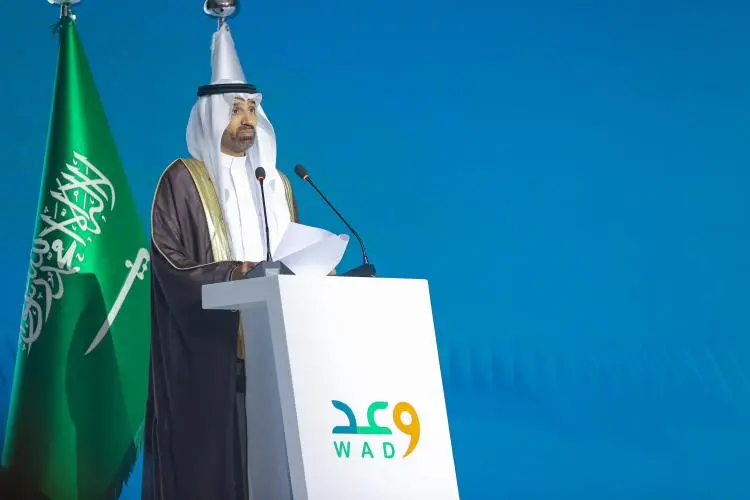
In his speech on this occasion, His Excellency Abu Thnein emphasized the unlimited support from the wise leadership for the human resources and social development system, with the aim of providing more training opportunities and developing future skills for the sons and daughters of the nation, and raising their participation rate in the labor market.
He added: “The launch of the 12 sectoral skills councils across the Kingdom, in various sectors, reflects the Ministry’s belief in the importance of the private sector’s role in training. This is a significant step towards realizing our shared aspirations to build an integrated skills system that is responsive to the needs of different sectors and the labor market. Among its clear advantages are increased employment rates, enhanced employee productivity, and the provision of feedback to policymakers and education and training providers to support them in keeping pace with the evolving needs of the labor market.
Furthermore, its numerous benefits will enable employers to influence skills-related policies, provide them with an opportunity to contribute their input on education and training curricula, and help improve employee retention rates and boost productivity.”
His Excellency Abu Thnein emphasized that the role of the sectoral councils will be that of participatory councils, in which stakeholders from the public and private sectors and education and training bodies will contribute to defining visions, goals and programs for skills. These councils will identify the skills that sectors in the Kingdom need now and in the future, set frameworks for sectoral skills and professional standards, and provide recommendations on the changes needed to develop skills through policies, education, training, accreditation, licensing and funding.
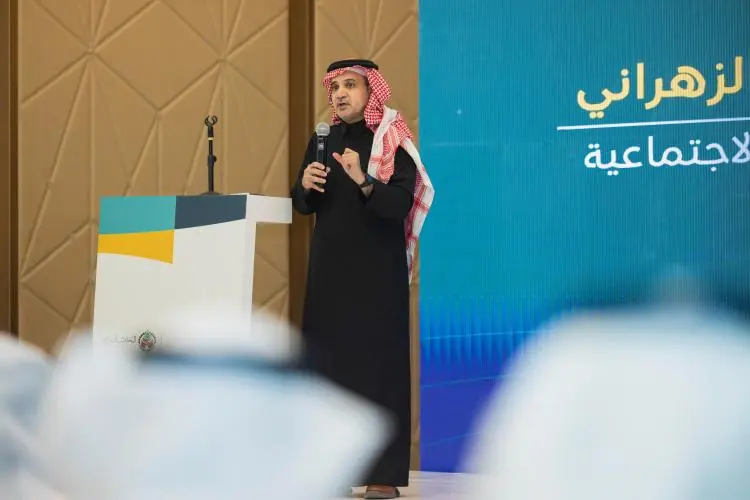
The Undersecretary of the Ministry for Skills and Training, Dr. Ahmed Al-Zahrani, reviewed the enormous changes in the future of jobs and the importance of focusing on skills as a key enabler of economic growth, noting that the Ministry is working to cover 2,000 skills and build and develop standards for 300 sectoral professions and career paths by 2025 AD, stressing that skills development is a strategic priority for the Kingdom and a key enabler in achieving the Kingdom’s Vision 2030.
The Sectoral Skills Councils initiative aims to design and activate an interconnected network of councils for the most prominent economic sectors that affect GDP and employment in the Kingdom of Saudi Arabia, namely: “Wholesale and Retail Trade Sector, Culture and Entertainment Sector, Construction and Real Estate Activities Sector, Health Sector, Professional Services Sector, Logistics and Transportation Sector, Security Services Sector, Digital Sector, Financial Services and Insurance Sector, Tourism and Hospitality Sector, Energy and Utilities Sector, and Manufacturing Sector.”
The launch of the Sectoral Skills Councils initiative comes within the framework of the labor market strategy approved by Cabinet Resolution No. (254) dated 4/23/1442 AH, which aims to improve the productivity and performance of the workforce and create a labor market that is attractive to local and global talents and capabilities. It is one of the most important initiatives that aims to create a sustainable mechanism and partnership with government agencies, the private sector, education and training institutions and relevant stakeholders to plan skills at the sectoral level, in order to identify and meet the sector’s need for skills, establish partnerships with it and build a sustainable business model.