Wholesale and Retail Trade Sector

Overview of the Sector

Wholesale trade refers to the resale of new and used goods (whether perishable or non-perishable) directly or through e-commerce platforms to retailers, industrial or commercial companies, institutions, or other wholesalers. Retail, on the other hand, is the final stage in which new and used perishable and non-perishable goods are resold directly or via e-commerce platforms. This process takes place through dedicated platforms or those owned by third parties (such as stores and shops) to meet the personal needs of the general public.

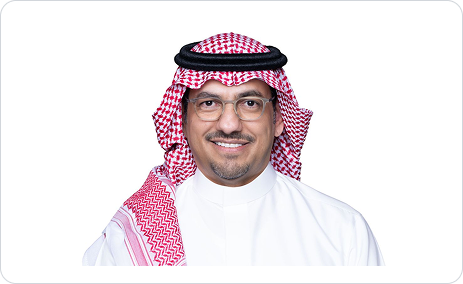
His Highness Prince Walid bin Nasser Al Saud

Chair of the Board of Trustees of the Makatafa Foundation
“Establishing a sustainable partnership between government agencies, the private sector, and relevant stakeholders to plan for skills and occupations at the sectoral level is one of the most important steps toward regulating the labor market and putting its participants on the right track. This is where the sectoral skills framework plays a role in identifying the core and future skills required in the sector; it works to ensure that education and training outcomes align with labor market needs, thereby reducing the skills gap.”

Members

Mr. Abdullah Al-Ghafis
Vice President of Human Resources and Support Services
Mr. Muwafaq Mansour Jamal
Wholesale and Retail Sector Expert
Mr. Khalid Sindi
Executive Director - Human Resources
Mr. Sultan Al-Rashidi
Executive Director of Business Development
Mr. Majid Al-Anzi
Representative of the General Organization for Technical and Vocational Training
Mr. Prince Majid bin Fahd bin Farhan Al Saud
Co-CEO of Riyadh International Foods
A. Salman Bahbari
Chief Executive Officer
Mr. Asim Al-Ansari
Director General of Administrative Affairs
Mr. Yasser Al-Qahtani
Chief Human Resources Officer
Mr. Saud Al-Suleiman
Chief Executive Officer
Mr. Mahmoud Mazi
General Manager, Retail Division
Mr. Ahmed Al-Dhiyabi
Executive Vice President
Mr. Omran Al-Awfi
General Manager of Operations and Maintenance
Mr. Ali Asiri
Regional Executive Director
A. Wael Khalil
Assistant Executive Director
A. Jana Zaree
Executive Director of Talent Management and Executive Vice President of Human Resources at the Shalhoub Group
A. Tamim Al-Jasser
Director General of Training and Programs
A. Abdullah Rabhi Abdullah Faisal
Regional Director of Human Resources 
A. Omar bin Abdulaziz Al-Jasser
Chief Executive Officer
Mr. Mazen Al-Dharab
Chief Executive Officer

Sectoral Skills Framework

 A sectoral skills framework serves as a comprehensive tool for identifying the skills required in a sector; it specifies the skills needed for each job family within the sector’s value chains. The sectoral skills framework follows a systematic approach to identifying the skills required in the sector: first, job groups were identified within the subsectors, followed by the identification of key job roles, career paths, and priority skills. 
Develop an overview of the sector and its subsectors, the major trends in the sector, and the skills required in line with those trends, in addition to identifying job categories and career paths in the wholesale and retail sector.
Provide details on the technical and general skills associated with the main job categories in the wholesale and retail sector in the Kingdom.
The Excel tool serves as a supplement to the *Wholesale and Retail Trade Sector Skills Dictionary* report and the *Wholesale and Retail Trade Sector Skills Framework* introduction. The tool focuses on two main types of skills: general skills and technical skills.

Professional Standards Framework

National documents outlining standards for the description of occupations and their associated jobs, including the knowledge, skills, requirements, and competencies necessary to perform job roles and tasks. This includes the application and use of these standards in various contexts depending on the users, such as human resources professionals, training centers, and others interested in human capacity building.

Partnerships

Strategic partnerships for sectoral skills councils are a fundamental pillar for helping to meet the evolving needs of the labor market, Integration between the public and private sectors and training and educational institutions is one of the cornerstones of the sectoral skills councils’ work; it helps bridge the skills gap between supply and demand, improves the quality of educational and training outcomes, and enhances the efficiency of human capital as the primary driver of national development.
University of Business and Technology
Sinomi Academy

Training Programs

Programs that have been aligned with the skills framework to ensure that learning and training outcomes are consistent with the technical and general skills identified by the sectoral skills councils and included in the sectoral skills frameworks.