Energy and Public Utilities Sector

Overview of the Sector

The energy and utilities sector encompasses the production, transmission, distribution, and supply of water and energy, including electricity (from renewable energy sources such as solar, wind, and hydroelectric power), oil, gas, related products (such as other fuels), and hydrogen. It also encompasses the management of critical public utilities and the provision of related services, such as electricity supply, gas distribution, and other essential infrastructure services, and includes activities related to the production and strategic storage of water, as well as the collection, treatment, and management of wastewater.

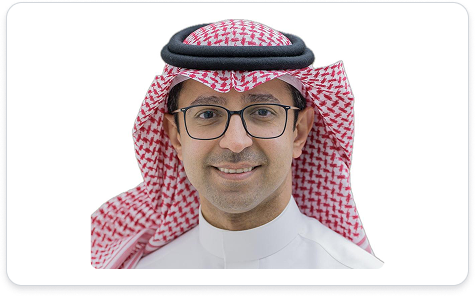
Dr. Zaid bin Muhammad bin Fahd al-Gharib

Undersecretary for Localization, Local Content, and Risk Management
“Skills are the cornerstone of empowering the sector’s core—its human capital—as aligning the changing needs of the labor market with training programs and educational outcomes is essential to achieving sustainable development. This is consistent with the primary objective of the Energy and Utilities Sector Skills Council, which is to strengthen the partnership between the public and private sectors to enable companies in the sector to develop qualified national talent capable of leading the future of energy in the Kingdom.”

Members

Mr. Muhammad Al-Subaie
Director of Industrial Development - Refining, Processing, and Marketing Sector
Mr. Nasser Al-Nuwaiser
General Manager, Talent and Learning Department
M. Salah Al-Ali
Expert in the Energy and Utilities Sector
M. Adel Barian
Executive Director of Human Resources Development
Mr. Abdulaziz bin Gaib
Deputy President for Human Capital
A. Rashid al-Rashid
Representative of the Public Investment Fund on the Sectoral Skills Council
Mr. Saeed Al-Zahrani
Senior Director of Talent Acquisition and Organizational Development
M. Ayman Mufti
Head of the Human Capacity Development Division
A. Zalfi Abdulrahman Abdulkarim
Vice President and Head of the Culture and Employee Experience Department
A. Shabir Hussein
Executive Director of Human Resources - Middle East
Mr. Ahmed Khalawi Al-Khalawi
Chief Executive Officer of Human Resources and Services
Mr. Nasser Al-Dosari
Representative of the National Committee of Workers' Committees in the Sectoral Skills Councils for the Energy and Utilities Sector
Mr. Adel Al-Aouni
Director of Partnerships
Ms. Nadia Al-Masry (Acting Representative)
Director of the Training Department
Mr. Nabil Battawi
Executive Director of Human Resources
A. Ali Al-Rashid
Mr. Ali, Representative of the Council of Saudi Chambers in the Sectoral Skills Councils for the Energy and Public Utilities Sector
Mr. Awad Al-Shahri
Director General of the General Directorate of Education and Development
Mr. Muhammad al-Saghir
Director of Talent Acquisition
M. Amer Al-Zayr
As Director of Training
Dr. Abdullah Al-Hazim
As Chairman of the Board of Directors of the Saudi Association of Technicians
A. Nasser Al-Harbi
As representative of the General Organization for Technical and Vocational Training

Sectoral Skills Framework

 A sectoral skills framework serves as a comprehensive tool for identifying the skills required in a sector; it specifies the skills needed for each job family within the sector’s value chains. The sectoral skills framework follows a systematic approach to identifying the skills required in the sector: first, job groups were identified within the subsectors, followed by the identification of key job roles, career paths, and priority skills. 
Develop an overview of the sector and its subsectors, the major trends in the sector, and the skills required in line with those trends, as well as identify job categories and career paths in the energy sector.
Provide details on the technical and soft skills associated with the main job categories in the Kingdom’s energy sector.
The Excel tool serves as a supplementary publication to the Energy Sector Skills Dictionary report and the introduction to the Energy Sector Skills Framework. The tool focuses on two main types of skills: general skills and technical skills.

Professional Standards Framework

National documents outlining standards for the description of occupations and their associated jobs, including the knowledge, skills, requirements, and competencies necessary to perform job roles and tasks. This includes the application and use of these standards in various contexts depending on the users, such as human resources professionals, training centers, and others interested in human capacity building.

Partnerships

Strategic partnerships for sectoral skills councils are a fundamental pillar for helping to meet the evolving needs of the labor market, Integration between the public and private sectors and training and educational institutions is one of the cornerstones of the sectoral skills councils’ work; it helps bridge the skills gap between supply and demand, improves the quality of educational and training outcomes, and enhances the efficiency of human capital as the primary driver of national development.
Energy Institute
SABIC

Training Programs

Programs that have been aligned with the skills framework to ensure that learning and training outcomes are consistent with the technical and general skills identified by the sectoral skills councils and included in the sectoral skills frameworks.