Culture and Entertainment Sector

Overview of the Sector

The culture and entertainment sector involves operating facilities and providing services to meet cultural and entertainment interests through the engagement of local and international communities. The sector covers a range of activities such as media production, social media, gaming, film, music, visual arts, theater, architecture, culinary arts, fashion, museums, libraries, heritage sites, parks, centers, events, entertainment shows, and sports activities, among others.

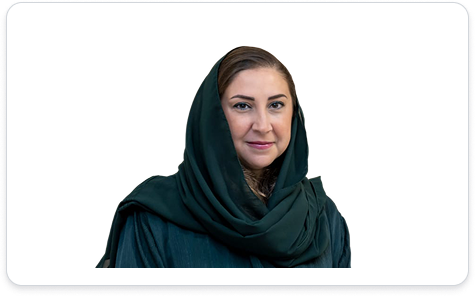
Ms. Nuha Al-Qattan

Deputy Minister of Culture for National Partnerships and Development
“We aspire to have an attractive workforce in the Kingdom for this sector. The culture and entertainment sector features numerous ongoing local initiatives to support workforce skills development. The sectoral skills framework complements the capacity-building efforts undertaken by the cultural sector.”

Members

Princess Adwa bint Yazid Al Saud
Founder and Chairman of the Board of Directors
A. Sultan Al-Bazai
Culture and Entertainment Industry Expert
Dr. Mazna Al-Marzouqi
Director General of the Institute for Leadership Development
Mr. Abdulaziz Al-Hamid
Director General of Local Talent and Capacity Development
Dr. Lamis Al-Haidari
Representative of the Public Investment Fund
A. Muhannad Al-Daoud
Chief Strategy Officer
A. Al-Mundhir Al-Awaji
Executive Director of Human Resources Business Partners
Mr. Nader Shinawi
Head of the Training Support Program
Dr. Rana Al-Masri
Director of Human Resources and Corporate Social Responsibility
Mr. Abdullah Al-Shabana
General Manager of Rotana Channels
A. Walaa Tahlawi
Chief Operating Officer
Mr. Ibrahim Al-Otaibi
Representative of the National Committee of Workers' Committees—Culture and Recreation
A. Al-Waleed Al-Beltan
Representative of the Council of Saudi Chambers - Culture and Entertainment
A. Ibrahim Al-Dulijan
Chief Executive Officer
A. Yasser Bakr
Chief Executive Officer
A. Alaa Faden
Founder and CEO
Mr. Abdulqadous al-Hajj
Executive Vice President of Human Resources
Mr. Muhammad Hafiz
Founder and CEO
Mr. Firas Al-Babtain
Vice President of Capital
A. Ghaith Yaghmour
Representative of the General Organization for Technical and Vocational Training
A. Daad Madkhali
Head of Human Resources

Sectoral Skills Framework

A sectoral skills framework serves as a comprehensive tool for identifying the skills required in a sector; it specifies the skills needed for each job family within the sector’s value chains. The sectoral skills framework follows a systematic approach to identifying the skills needed in the sector: first, job groups were identified within the subsectors, followed by the identification of key job roles, career paths, and priority skills. 
Develop an overview of the sector and its subsectors, the major trends in the sector, and the skills required in line with those trends, in addition to identifying job categories and career paths in the culture and entertainment sector.
Provide details on the technical and general skills associated with the main job categories in the Kingdom’s culture and entertainment sector.
The Excel tool serves as a supplementary publication to the Culture and Entertainment Sector Skills Dictionary report and the introduction to the Culture and Entertainment Sector Skills Framework. The tool focuses on two main types of skills: general skills and technical skills.

Professional Standards Framework

National documents outlining standards for the description of occupations and their associated jobs, including the knowledge, skills, requirements, and competencies necessary to perform job roles and tasks. This includes the application and use of these standards in various contexts depending on the users, such as human resources professionals, training centers, and others interested in human capacity building.

Partnerships

Strategic partnerships for sectoral skills councils are a fundamental pillar for helping to meet the evolving needs of the labor market, Integration between the public and private sectors and training and educational institutions is one of the cornerstones of the sectoral skills councils’ work; it helps bridge the skills gap between supply and demand, improves the quality of educational and training outcomes, and enhances the efficiency of human capital as the primary driver of national development.
Saudi Academy of Entertainment and Event Management

Training Programs

Programs that have been aligned with the skills framework to ensure that learning and training outcomes are consistent with the technical and general skills identified by the sectoral skills councils and included in the sectoral skills frameworks