The first edition of “Waad” achieved remarkable success, national accomplishments, and a sustainable impact, providing more than one million training opportunities.
The first edition of “Waad” achieved remarkable success, national accomplishments, and a sustainable impact, providing more than one million training opportunities.
The National Skills and Training Campaign “Waad”, launched by the Ministry of Human Resources and Social Development in 2023, achieved remarkable figures that demonstrated the extent of the efforts made to support the Kingdom’s Vision 2030. The campaign witnessed the establishment of training agreements and memoranda of understanding with the private sector, achieving its objectives in its first edition.
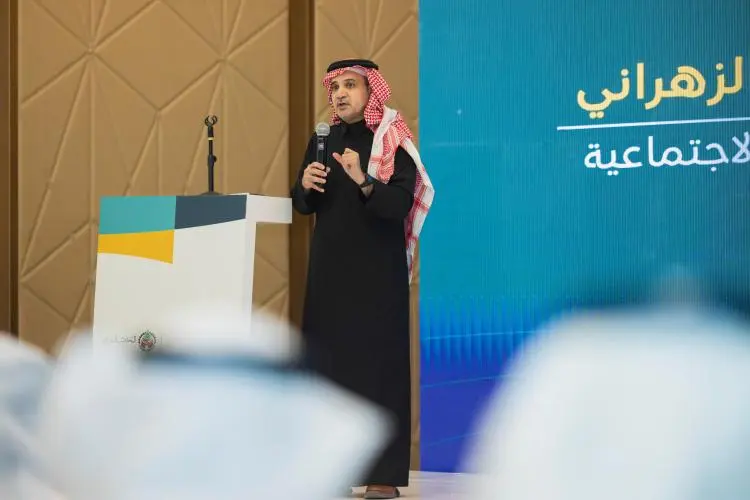
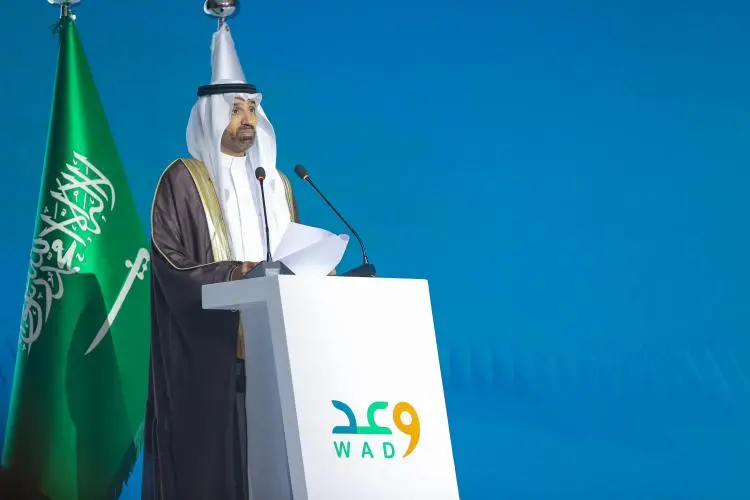
The first edition was distinguished by its remarkable achievements, including the creation of extensive training opportunities. More than 1,155,000 training opportunities were made available through collaboration with 14 leading national training companies: SABIC, Saudi Telecom Company (stc), Arab National Bank, Walaa Cooperative Insurance Company, Saudi Electricity Company, Almarai Company, Nesma Saudi Arabia & Partners, Abdulmohsen Al-Hokair Group for Tourism and Development, Aqwat Company, McDonald’s Saudi Arabia, Zain Saudi Arabia, Al Rabie Company, Abdullah Al Othaim Investment Company, and Mobily. These companies aim to develop the skills of Saudi men and women to empower them in various fields. The initiative also attracted leading private sector establishments to invest in human capital and strengthened the economy by developing and training the workforce. Regional forums were launched, with the first edition taking place in Arar, followed by Dhahran, Jeddah, and Jazan. The campaign achieved a success rate exceeding 112% of its objectives during the first phase.
The “Waad” initiative aimed to achieve a set of ambitious goals that seek to promote a culture of training and develop competencies in the Saudi labor market. The campaign also aimed to raise awareness of the importance of training as a key element to support private sector establishments and enhance their competitiveness, in addition to strengthening cooperation between the public and private sectors through strategic partnerships aimed at achieving sustainable development. The initiative raised the level of skills and productivity among workers, which contributed to improving the quality of performance in the labor market. In addition, the campaign highlighted successful experiences in the private sector as inspiring models that reflect the impact of training on raising efficiency and promoting economic growth.
The initiative in its first edition witnessed several criteria that required eligibility for the program, including that the establishment be classified within the “green zone” according to the Nitaqat program, which reflects its commitment to employing Saudis, and required the establishment to train more than 12% of its Saudi employees annually, and to have experience in the market that extends for three years or more. It also requires that the establishment have diverse training programs and effective policies that enhance the efficiency of training. In addition, it required the establishment to demonstrate its readiness and capabilities to train more than 50,000 Saudi citizens by 2025.
It is worth noting that the first edition of the “Waad” Skills and Training Forum is part of the great transformation that the Kingdom is witnessing within the framework of Vision 2030, which places the Saudi human being at the heart of development plans, believing that education and training are the basis for building a sustainable and diversified economy.
Date of Publication
22-Nov-2024
Target Audience
Citizens, nationals of Gulf Cooperation Council (GCC) countries, investors, and foreigners